
How to Get B2B Clients for a Luxury Brand: The Systems That Replace Referral Dependency
The Question Every Luxury Brand Reaches Eventually
At some point in the growth of every luxury brand, the same question surfaces. The product is right. The positioning is clear. The existing clients are satisfied and loyal. But growth has slowed. The next tier of clients — the ones who would take the brand into new markets, new retail channels, new geographies — is not arriving through the existing mechanisms. Trade fairs produce the same contacts they always have. The existing client network has been fully leveraged. Referrals come in ones and twos, not in the volume needed to sustain meaningful growth. The question is not: is there demand for what we make? The question is: how do we systematically reach the buyers who represent that demand?
Why Luxury B2B Is a Relationship Business — and Why That Creates a Problem
Luxury B2B operates on relationships. The interior designer who specifies a rug brand does so because they trust the brand, know the quality, and have a relationship with the sales team that makes the specification process easy. The premium retailer who stocks a jewellery brand does so because a buyer has a relationship with the founder that began at a trade fair three years ago. Relationships drive luxury B2B. But relationships do not scale automatically. Building the next wave of relationships requires either waiting for them to develop organically — which is slow and unpredictable — or creating a systematic mechanism for initiating them. The second option is the one that produces growth.
Defining the Right B2B Client Profile
Before any outreach programme can be effective, the ideal B2B client profile must be defined with precision. For a luxury textile brand, this might be interior designers who specify for high-end residential projects at a defined project value, in specific geographies, with a material direction that matches the brand's offering. For a premium product brand, it might be retailers whose positioning, customer demographics, and average transaction value indicate they can successfully sell at the brand's price point. This precision matters because outreach programmes built on broad target definitions produce broad results — a large volume of contact with prospects who will never convert, and insufficient attention to the ones who will.
The Research Layer: Knowing Before Reaching
Effective luxury B2B outreach begins with research — specific, individual research about each target prospect before any contact is made. What projects has this designer completed recently, and what materials did they specify? What does this retailer's current selection tell us about the direction they are taking their buying? What has this distribution manager said publicly about the kind of brands they are looking to add? AI-powered research systems can aggregate this intelligence from multiple sources — portfolio sites, industry press, LinkedIn activity, trade fair participation records — and synthesise it into a prospect profile that informs a genuinely targeted first contact. The message that references something specific about the recipient's work is not intrusive. It is flattering. And it earns responses that generic introductions do not.

Multi-Channel Presence in the B2B Luxury Space
Luxury B2B buyers — particularly in the interior design, premium retail, and high-end hospitality sectors — are not reached through a single channel. Email is the primary professional communication channel for most buyers and specifiers, but LinkedIn has become increasingly important for professional discovery and relationship building. Some sectors have WhatsApp as the dominant channel for trade relationships. A well-designed outreach programme uses multiple channels in a coordinated way: an email that opens the conversation, a LinkedIn connection that demonstrates the brand's presence, a follow-up that arrives through the channel the prospect actually uses for trade communication. The multi-channel approach is not aggressive — it is attentive to how the prospect actually communicates.
The Timeline of a Luxury B2B Relationship
Luxury B2B relationships do not convert in a week. A premium retailer evaluating a new brand is thinking about how it fits into their next buying season, which may be several months away. An interior designer considering a new specification supplier is thinking about which projects coming up would suit the brand's aesthetic, which may be on a multi-month project timeline. The outreach programme that treats luxury B2B like a short-cycle transaction — one or two emails and an expectation of a quick response — will consistently underperform. The programme designed around the actual relationship timeline — multiple touches over several months, each adding value rather than restating the ask — converts at dramatically higher rates because it respects how luxury buying decisions are actually made.
From First Contact to Long-Term Trade Relationship
The objective of luxury B2B outreach is not a single transaction. It is the beginning of a trade relationship — the kind of relationship where a designer specifies the brand repeatedly across multiple projects, or a retailer reorders season after season because the brand has become part of their permanent selection. Getting to this relationship requires more than a good first contact. It requires consistent follow-through, excellent product and service delivery in the early stages of the relationship, and ongoing communication that maintains the brand's presence in the buyer's awareness between transactions. The acquisition programme that initiates the relationship is the foundation. What the brand does with that relationship determines whether it compounds into long-term revenue or remains a single transaction.
Frequently Asked Questions
Common questions
How do luxury brands find B2B clients?
Through systematic outreach to retailers, distributors, specifiers, and buyers whose profile matches the brand's positioning — using individually researched messages that demonstrate knowledge of the recipient's business rather than generic brand introductions.
What is the best way to get interior designer clients for a luxury brand?
Direct outreach to interior designers in the target market, filtered by project type, price point, and material direction. The message must reference something specific about the designer's portfolio and connect it precisely to what the brand offers.
How do you build a B2B client pipeline for a luxury brand?
By defining the ideal B2B client profile, mapping the qualifying universe, initiating systematic outreach, and maintaining contact across the months of a luxury B2B relationship cycle — with multiple value-adding touches before any commercial proposal is made.
How long does a luxury B2B relationship take to convert?
Luxury B2B relationships typically convert over 3–9 months. The buyer evaluates the brand's product, quality, price architecture, and service reputation across multiple interactions before committing to a trade relationship. The outreach programme must be designed for this timeline.
Continue reading
Outbound Lead Generation for Luxury Retail: How Premium Brands Reach Buyers and Stockists Systematically
Cold Email for Luxury Brands: Why Generic Outreach Fails and What Works Instead
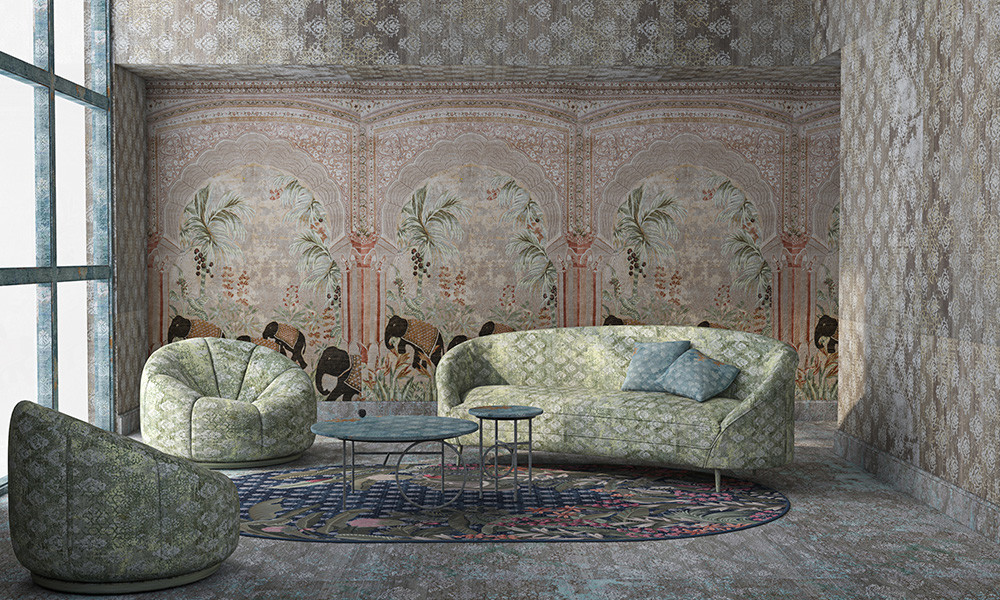
How Luxury Rug and Carpet Brands Build Distribution in New Markets Without a Showroom
Written by Hamza
Founder, SVNR Global
Hamza leads SVNR Global's client acquisition infrastructure practice. He works with premium operators across luxury, private equity, real estate, and high-ticket B2B to build systematic outreach systems that generate qualified pipeline — without ads, referrals, or trade fair dependency.
Ready to build the system?
We work with a small number of operators at a time. Every engagement is built specifically for your market.
Start the conversation