
How Luxury Rug and Carpet Brands Build Distribution in New Markets Without a Showroom
The Ceiling Most Brands Hit
There is a pattern that repeats itself across the handmade rug and carpet industry. A brand spends years building a product with genuine craft behind it — hand-knotted construction, vegetable dyes, wool sourced from specific regions, a design language that holds up against the best European studios. The product is genuinely exceptional. And then growth stops. Not because the product got worse. But because the distribution model that got them to this point — trade fairs, showroom relationships, word of mouth inside the A&D community — has a hard ceiling.
Why the Traditional Distribution Model Breaks at Scale
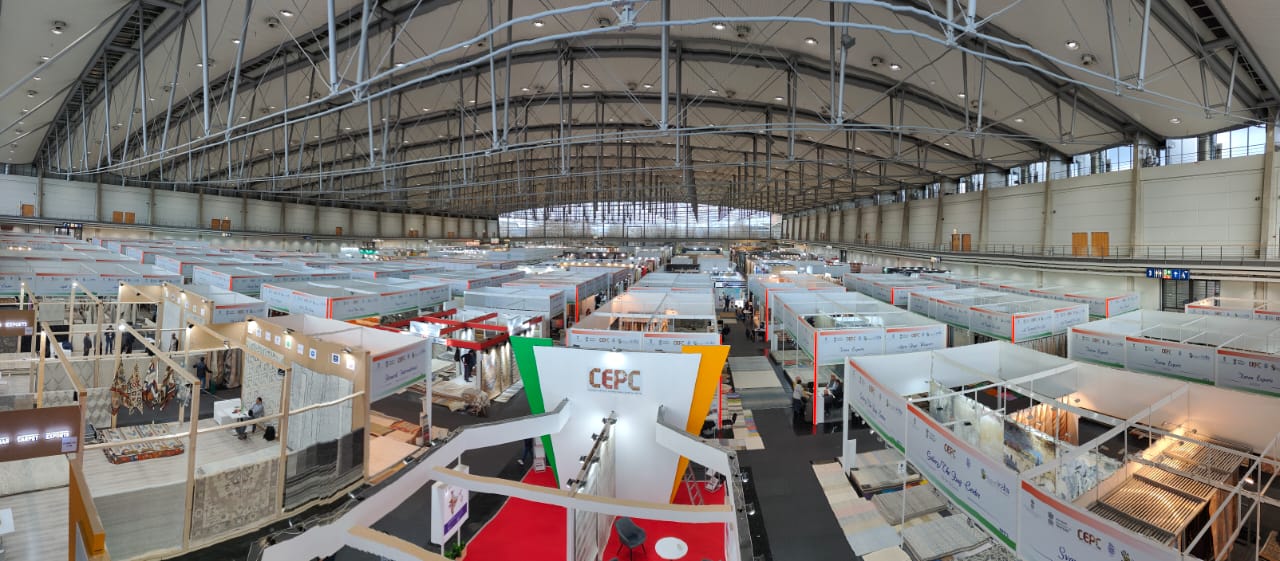
The traditional route into a new market looks like this: exhibit at the relevant trade fair, meet showroom owners and interior designers, follow up, send samples, wait. This model works. It built every major rug brand that exists today. It is also extraordinarily slow, expensive per contact made, and entirely dependent on who happens to walk through a trade fair hall in a three-day window. The interior designer who would have specified your collection at Domotex in January is now researching new suppliers on their own timeline, based on a project brief they received in March, for a client presentation happening in June. They are not waiting for the next trade fair.
The A&D Community Is the Distribution Channel
For luxury rug and carpet brands, the architecture and interior design community is not a marketing audience — it is the primary distribution channel. Interior designers specify rugs for projects. Their specification drives purchase. Their recommendation drives repeat specification. The relationship between a rug brand and an interior designer operates more like a wholesale relationship than a consumer marketing relationship. This means the question is not 'how do we market to interior designers.' The question is 'how do we build systematic trade relationships with interior designers in markets we are not yet present in.'
Geography Is the Opportunity
The single biggest distribution opportunity for most luxury rug brands is a geography they are completely absent from despite having a product that would perform there. These gaps exist not because the market is not ready — they exist because the brand's distribution development has been opportunistic rather than systematic. Systematic distribution development starts by mapping where the gaps are and then identifying, by name, the designers and showrooms operating in those cities whose portfolio, price point, and material preferences match the brand's product positioning.
Trade Fairs Are Amplifiers, Not Acquisition Channels
The role of trade fairs in a well-designed distribution strategy is amplification, not acquisition. A brand that has already been in contact with ten interior designers in a new city for three months before Maison & Objet opens has a completely different trade fair experience than one arriving cold. The warm contacts become scheduled meetings rather than booth walk-ins. Brands that rely exclusively on trade fairs for distribution development are paying exhibition costs to acquire cold contacts in a three-day window. Brands that use systematic outreach to build a warm audience before the fair opens use the same investment to advance existing relationships.
What a New Market Distribution Program Looks Like in Practice
A well-designed new market distribution program has a defined set of outputs across a 90-day window. In the first four weeks: a mapped list of named interior designers and showrooms in the target city, filtered by project type, price point, and material history. In weeks five through eight: follow-up sequencing based on initial responses, sample requests fulfilled, showroom conversations progressed. In weeks nine through twelve: a clear picture of which relationships have genuine potential and what the realistic path to first specifications looks like. At the end of 90 days, a brand has not opened a showroom — but it has relationships with the designers most likely to specify its product in that city.
The Message That Opens the A&D Relationship
The message that earns a response from an interior designer or architect is not a catalogue introduction. It is a demonstration of specific knowledge about their practice. What kind of projects do they specify for? What price point do their clients operate at? What material direction is their recent portfolio showing? The message that references a specific project they designed, or a specific client sector they serve, and then connects that observation to a relevant product — that message is in a different category from the generic 'we would love to introduce our collection' email that fills every A&D inbox. The difference in response rate between these two approaches is not marginal. It is the difference between a programme that works and one that produces silence.
Showrooms as the Outcome, Not the Entry Point
The conventional assumption is that distribution in a new market requires a showroom in that market. For luxury rug and carpet brands, a showroom is an outcome of successful distribution development — not the entry point. The brands that open showrooms in new cities typically do so after they have demonstrated market demand through direct-to-trade outreach. They know the designers who will drive volume before they commit to permanent space. The brands that open showrooms first and hope the market follows are the ones with expensive, underutilised space and a distribution picture that looks the same two years later.
Frequently Asked Questions
Common questions
How do luxury rug brands enter new markets without a showroom?
By systematically identifying and reaching interior designers and trade buyers in the target market through direct outreach — mapping the A&D community by name, initiating contact with personalised messages, and building trade relationships before committing to permanent retail infrastructure.
What is the best distribution channel for luxury handmade rugs?
The architecture and interior design community is the primary distribution channel for luxury rugs. Interior designers specify rugs for client projects at a level that drives consistent volume. Building direct trade relationships with designers in target markets is more efficient than relying on trade fairs or showrooms alone.
How long does it take to build distribution in a new market?
A structured 90-day programme can identify qualifying designers and buyers, initiate contact with the most relevant targets, and produce a set of active trade relationships in a new geography — without a showroom or permanent local presence.
What role do trade fairs play in luxury rug distribution?
Trade fairs are amplifiers, not acquisition channels. Brands that use outreach to build warm relationships before a fair opens use the same exhibition investment to advance existing conversations rather than make cold introductions in a crowded hall.
Continue reading
Outbound Lead Generation for Luxury Retail: How Premium Brands Reach Buyers and Stockists Systematically
How to Get B2B Clients for a Luxury Brand: The Systems That Replace Referral Dependency
Cold Email for Luxury Brands: Why Generic Outreach Fails and What Works Instead
Written by Hamza
Founder, SVNR Global
Hamza leads SVNR Global's client acquisition infrastructure practice. He works with premium operators across luxury, private equity, real estate, and high-ticket B2B to build systematic outreach systems that generate qualified pipeline — without ads, referrals, or trade fair dependency.
Ready to build the system?
We work with a small number of operators at a time. Every engagement is built specifically for your market.
Start the conversation