A Term That Needs a Definition
Outreach infrastructure is a term that appears increasingly in conversations about B2B client acquisition, but it is rarely defined with precision. Most operators use it interchangeably with 'outbound,' 'lead generation,' or 'sales automation.' These are not the same thing. Outreach infrastructure refers to a specific architecture: a set of integrated systems, research, data enrichment, AI agents, outreach sequences, qualification logic, and reporting, that operates continuously to identify, reach, and warm the right prospects for a business. It is not a campaign. It is not a tool. It is infrastructure, permanent, compound-interest-bearing, and designed to run without daily management input.
The Four Layers of Outreach Infrastructure
A complete outreach infrastructure has four interdependent layers. The first is the research layer: systems that identify and enrich qualifying prospects on an ongoing basis, using AI to aggregate signals from multiple data sources and maintain a current universe of targets. The second is the outreach layer: sequences designed to initiate and progress conversations with those prospects across email, LinkedIn, and other relevant channels. The third is the qualification layer: logic that identifies which responses indicate genuine interest and routes them appropriately, filtering out the noise and surfacing the signal. The fourth is the reporting layer: a dashboard that gives full visibility into what is happening in the pipeline, what is converting, and where the system needs refinement.
How Infrastructure Differs from Lead Generation
Lead generation agencies deliver leads, typically a defined volume of contacts per month, enriched to a basic level, qualified against broad criteria. The business then takes those leads and attempts to convert them through its own sales process. Outreach infrastructure goes further in both directions: deeper into research before contact is made, and further into the relationship before the handoff happens. An infrastructure system does not hand over a list of names. It hands over a warm conversation, a prospect who has been identified, researched, reached, engaged, and progressed through an initial dialogue. The difference in conversion rate between a lead and a warm conversation is significant. The difference in time-to-close is even larger.
Why AI Makes Infrastructure Possible at Scale
Until the current generation of AI tools, building genuine outreach infrastructure required a team of researchers, copywriters, outreach specialists, and data analysts. For most premium operators, this headcount cost was prohibitive, which is why the campaign model remained dominant. AI changes the economics of the infrastructure model entirely. The research layer that required three researchers can now be executed by AI systems monitoring signals across thousands of sources simultaneously. The personalisation layer that required skilled copywriters can now produce individually tailored messages at a scale that no human team could match. The qualification layer that required a dedicated person reviewing responses can now be automated with AI that identifies intent signals in replies. The infrastructure model is now economically viable for operators who would previously have had no choice but to run campaigns.
What 'Permanent' Actually Means
When we describe outreach infrastructure as permanent, we mean something specific: the system does not have an off-switch built into its design. A campaign is designed to end. Its budget is finite, its target list is fixed, and its endpoint is defined in advance. Infrastructure is designed to run. The prospect universe is continuously refreshed as new companies meet the targeting criteria. The outreach sequences are continuously refined based on what is producing responses. The reporting layer ensures that what is working is amplified and what is not is adjusted. The result is a system that improves over time rather than resetting at the end of each campaign cycle.
The Compound Effect Over Time
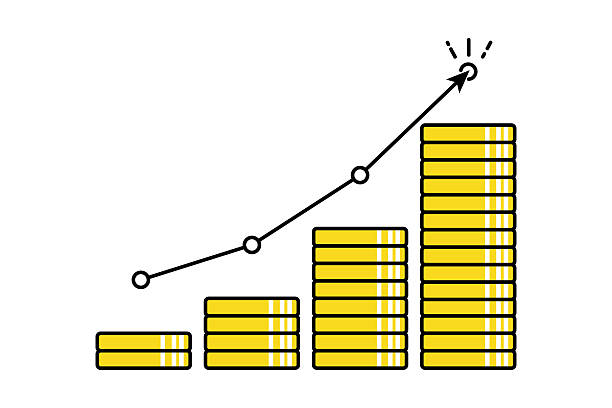
The most compelling argument for infrastructure over campaigns is the compound effect that accumulates over time. In month one, an outreach infrastructure system produces a modest pipeline, a handful of warm conversations from a prospect universe that has just been built. In month six, the system is producing more pipeline from the same investment because early prospects have matured, new prospects have entered the universe, and the sequences have been refined based on real response data. In year two, the system is a significant competitive advantage, the business has a continuously operating acquisition function that most of its competitors are still trying to build through periodic campaigns. The gap between the infrastructure operator and the campaign operator widens every quarter.
The Handoff Point and What Comes After
A well-designed outreach infrastructure system is not designed to replace the human sales relationship, it is designed to deliver the right moment for that relationship to begin. The handoff point, the moment when a warm prospect is introduced to the principal of the business, is the output the infrastructure is optimised for. Everything before that point is infrastructure. Everything after it is relationship. The infrastructure handles the finding, researching, reaching, and warming. The human handles the closing. Businesses that understand this distinction build infrastructure that is calibrated to produce the highest possible quality of handoff, prospects who are genuinely ready for a substantive conversation, not just leads who have responded to an email.
Who Outreach Infrastructure Is Built For
Outreach infrastructure is not appropriate for every business. It is most powerful for operators where the target client is specific rather than broad, a defined profile of decision-maker, in a defined set of organisations, at a defined life stage or business moment. This includes premium B2B operators, fund managers and GP relationships, luxury brand distributors, professional services firms targeting a defined industry vertical, and any business where the customer relationship is high-value and the buyer is a specific, identifiable person rather than an anonymous member of a large population. For these operators, the alternative to infrastructure is either referral dependency, waiting for the network to deliver, or the campaign cycle, episodic activity that produces episodic results. Infrastructure is the third way.