The Referral Model and Its Limits
Most architecture and interior design studios grow through the quality of their work, the relationships of their principals, and the reach of their press coverage. This model works. It is also completely outside the studio's control. A referral arrives when a past client happens to have a conversation with someone who happens to need a studio of your type at the moment they happen to remember your name. The studio has no influence over the timing, the client profile, or the project size.
What Systematic Client Acquisition Looks Like for a Design Studio
The alternative is not a marketing campaign. Design studios that have moved beyond referral dependency do not run advertising or produce content hoping it finds the right client. They identify the specific client profiles most likely to commission the kind of work the studio wants to do, developer clients for a certain type of residential project, hospitality groups with a specific aesthetic direction, commercial occupiers in a particular sector, and they reach those clients directly with communication anchored in specific knowledge of their projects and needs.
The Research Layer Most Studios Skip
Before any outreach begins, the studio needs to know who it is trying to reach. This is not a vague demographic target. It is named individuals at named organisations with specific project pipelines. A property developer who just acquired a site in a specific city and has not yet appointed an architect is a precisely identified opportunity. A hospitality group that has announced expansion plans but has not yet released an RFP for design services is a warm prospect. This kind of intelligence is available to anyone who looks for it systematically.
The Developer Client as a Primary Target
For most architecture and interior design studios, the highest-value client category is the developer, residential, hospitality, or commercial, with a repeating project pipeline. A developer who builds three residential schemes per year across two cities is not a one-time client. They are a long-term source of commissions if the relationship is established and maintained. Most studios wait for developers to come to them through their consultant network. The studios that reach developers directly, at the moment a new site has been acquired and no architect has been appointed, are operating at a fundamentally different level of business development effectiveness.

Hospitality as a Systematic Opportunity
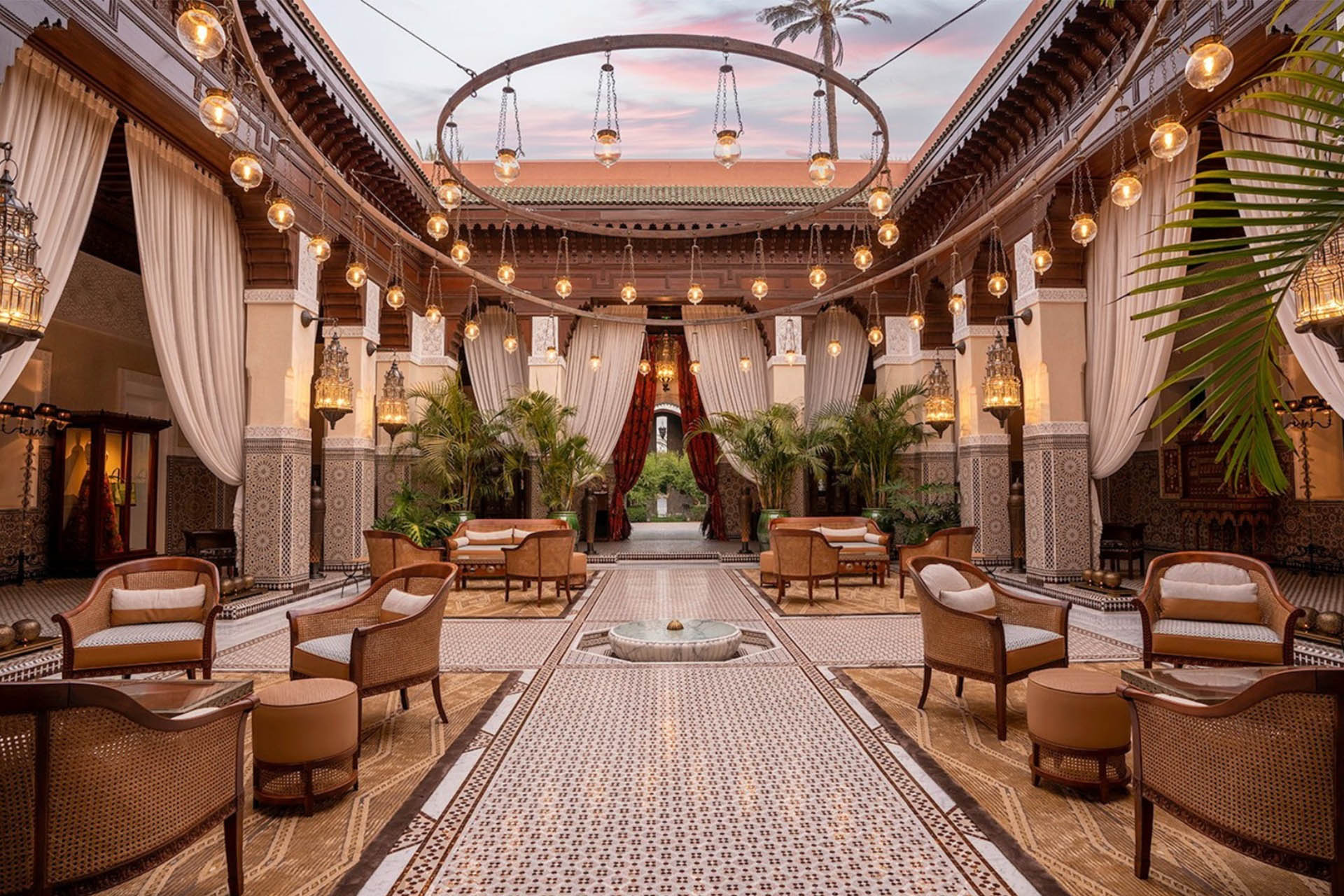
The hospitality sector represents one of the most consistent opportunities for design studios with relevant portfolio experience. Hotel groups, resort operators, and F&B brands commission design work on a predictable cycle tied to expansion plans, refurbishment programmes, and brand repositioning. These cycles are visible in trade press, in planning applications, and in company announcements. The studio that monitors this activity and reaches the right decision-maker at the right point in the project timeline is not waiting for a referral, it is creating its own pipeline.
The Competition in Creative Outreach Is Lower Than You Think
Architecture and interior design studios are, by the standards of most industries, extremely passive in their business development. The competition for a well-researched, personally relevant message to a qualified prospect is almost non-existent. Most studios are waiting for the phone to ring. The studio that is making disciplined, specific, research-backed contact with a defined set of target clients each month is operating in a market where almost no other studio is doing the same thing.
The Outreach That Works for Design Professionals
The message that earns a response from a developer or hospitality operator is not a portfolio showcase. Clients at this level receive portfolio presentations constantly. What they do not receive is a message that demonstrates specific knowledge of their current project, references their design direction accurately, and explains, briefly and precisely, why this studio's particular capability is relevant to what they are building. That message takes research. It takes restraint. And it converts at a rate that makes the portfolio showcase look like background noise.