The Campaign Cycle and Why It Fails
The word 'campaign' in business development implies a beginning, a middle, and an end. Most businesses acquire clients through a series of campaigns, a push at the start of the year, a trade fair effort, a targeted outreach in response to a quiet quarter. This is the campaign cycle. And it is structurally unable to produce the consistent, compounding pipeline that growing businesses need. Because campaigns end. And when they end, the pipeline empties. And when the pipeline empties, the business starts another campaign.
What a System Does That a Campaign Cannot
A client acquisition system does not have an end date. It runs continuously, identifying new prospects as they enter the addressable market, reaching them with communication appropriate to their profile and timing, and maintaining contact across the timeline of a realistic relationship. The difference in output between a campaign and a system is not linear, it is exponential over time. A campaign produces a batch of leads in a window. A system produces a continuously growing base of relationships, some of which convert this quarter, some next year, and some three years from now when a trigger event makes the timing right.
The Infrastructure a System Requires
A client acquisition system requires three things a campaign does not: a continuous research function that keeps the prospect universe current, a relationship management layer that maintains contact with prospects across extended timelines, and a feedback mechanism that identifies which messages and channels are producing responses and refines the approach accordingly. Most businesses run campaigns because campaigns are simpler to design and easier to budget. Systems require ongoing investment and ongoing management. But the return on that investment is not a batch of leads, it is a permanent acquisition capability.

Why AI Changes the Economics of System Building
Until recently, building a genuine acquisition system required a significant headcount commitment, researchers, outreach specialists, relationship managers. For most premium brands, this cost made the campaign model the only practical option. AI changes this equation completely. The research layer that once required three full-time researchers can now be executed by an AI system monitoring signals across thousands of sources simultaneously. The outreach layer that required skilled copywriters producing individual messages can now be personalised at scale using AI-driven message architecture. The economics of the system are no longer prohibitive for operators who previously had no choice but to run campaigns.
The Compounding Advantage
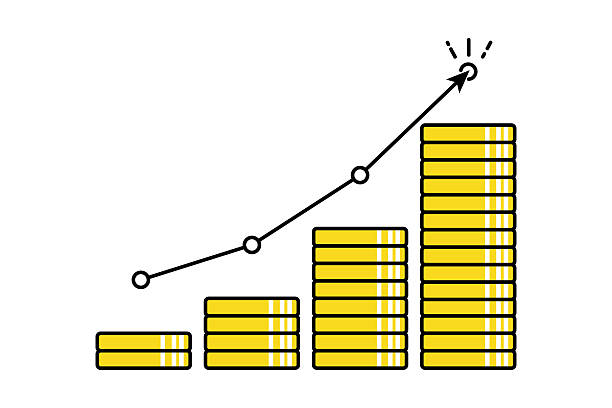
The most powerful argument for building a system rather than running campaigns is the compounding effect that arrives over time. In month one, a system produces a small number of qualified conversations. In month six, the number is larger because the early conversations have matured and new ones have been added. In year two, the system is producing more qualified pipeline than the business could have generated through any campaign approach, because every relationship built in the previous period is still active and every new prospect added is entering a proven engagement process. Campaigns reset. Systems compound.
How to Make the Transition
The transition from campaign to system does not happen in a single decision. It begins with a commitment to continuous outreach rather than episodic outreach, a minimum volume of qualified contacts per month that does not pause between campaigns. It continues with the implementation of a research function that keeps the prospect universe current rather than refreshed at the start of each campaign. And it matures when the business has a relationship management layer that keeps the firm present in the minds of prospects across the months and years before they become ready to buy. Each of these layers can be built incrementally. But the decision to build them is a strategic one that changes the trajectory of the business.